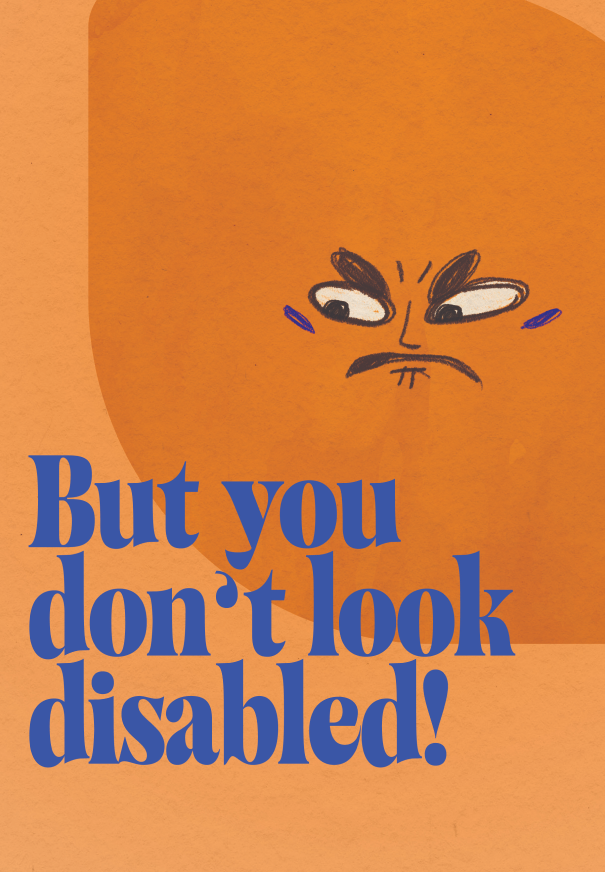
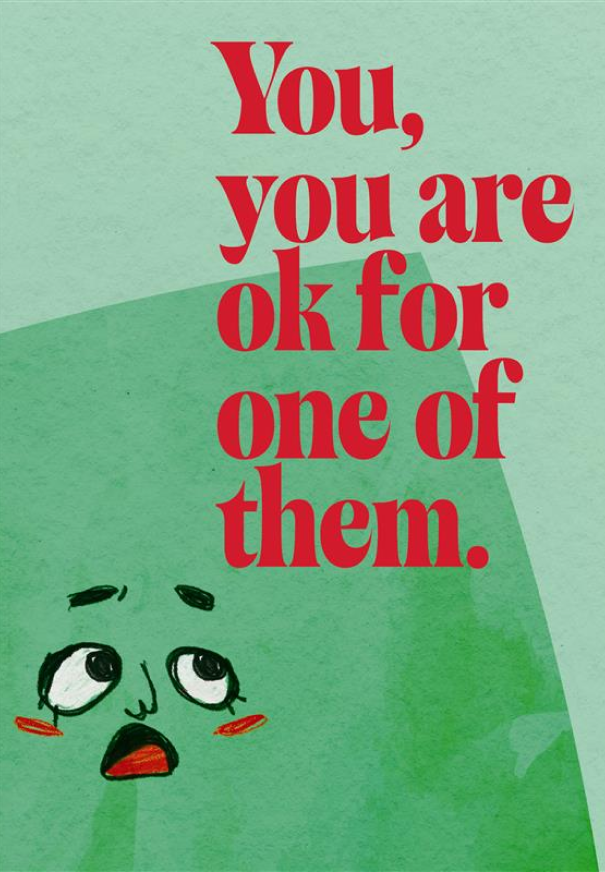

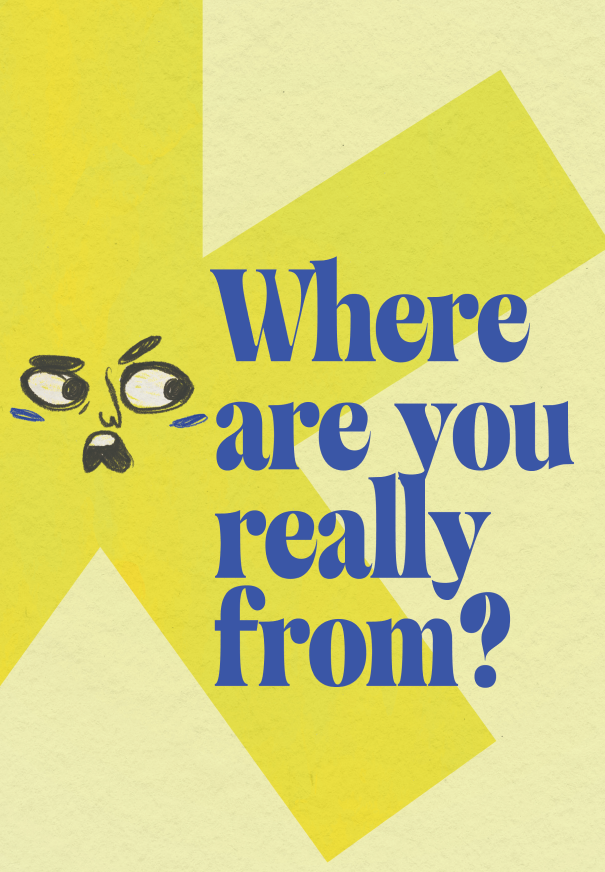


These are just some of the small remarks that may seem innocent and rarely ill-intentioned but can still have an impact on those who hear them because they can perpetuate a cliché, reinforce a prejudice, highlight a stereotype, and reduce the person they are addressing.
What is a microaggression?
Microaggressions are behaviors, comments, or attitudes, often unintentional, that convey derogatory or prejudiced messages towards people based on their ethnicity, sexuality, religion, disability, socio-demographic background, etc. They may seem insignificant, but when accumulated, they have a profound and negative impact.
Essentialization
Essentialization involves reducing a person to a single aspect of their identity, often related to their ethnic or cultural background. This reduction prevents seeing individuals in all their complexity, erasing what makes them unique, and reducing them to a cliché.
For the more pragmatic
What do the numbers say? According to a study conducted by Estelle Depris, 88% of racialized people report being victims of microaggressions at least once a day in their work environment. 63% of these microaggressions have a significant impact on mental health, increasing stress and anxiety levels.
Microaggressors
It is important to understand that those who commit microaggressions do not always do so out of malice. Often, they are unaware of the impact of their words or actions. However, when confronted, it is not uncommon for them to position themselves as victims, feeling wrongly accused or misunderstood, saying things like "we can’t say anything anymore." It is crucial to recognize this defensive mechanism and just as important to continue raising awareness in a constructive and empathetic way. When a microaggression is called out, it reflects a discriminatory reality that is repeated and much larger. Empathy, listening, and kindness are key to avoiding hurting someone with prejudices.
Cultural Recommendations
To better understand and raise awareness on this topic, here are some works of pop culture that address microaggressions and racism in a powerful and educational way:

Film
Hidden Figures (Theodore Melfi)
This film tells the story of three Black women working at NASA in the 1960s, who face daily microaggressions because of their gender and skin color.

Video Game
Life is Strange 2
This narrative adventure game follows two Hispanic brothers who, during their journey, face racial microaggressions through implicit comments about their ethnicity, and from police and civilians because of their appearance.

Serie
Atlanta (2016–now)
Created by Donald Glover, this series tackles many aspects of the African-American experience, including microaggressions.
Film
Hidden Figures (Theodore Melfi)
This film tells the story of three Black women working at NASA in the 1960s, who face daily microaggressions because of their gender and skin color.
Video Game
Life is Strange 2
This narrative adventure game follows two Hispanic brothers who, during their journey, face racial microaggressions through implicit comments about their ethnicity, and from police and civilians because of their appearance.
Serie
Atlanta (2016–now)
Created by Donald Glover, this series tackles many aspects of the African-American experience, including microaggressions.
Film
Hidden Figures (Theodore Melfi)
This film tells the story of three Black women working at NASA in the 1960s, who face daily microaggressions because of their gender and skin color.
Video Game
Life is Strange 2
This narrative adventure game follows two Hispanic brothers who, during their journey, face racial microaggressions through implicit comments about their ethnicity, and from police and civilians because of their appearance.
Serie
Atlanta (2016–now)
Created by Donald Glover, this series tackles many aspects of the African-American experience, including microaggressions.
Taking Action Together
We all have a role to play in making our workplace a more inclusive space.
Here are a few simple actions everyone can take:
Listen and Learn
A microaggression may be unintentional, but that doesn’t prevent you from listening to your colleagues' experiences without minimizing them.
Think Before You Speak
Consider the impact of your words and actions. Are you saying this because you know the person or because of what you assume about them?
Intervene
If you witness a microaggression, validate the experience of the person affected and offer your support if they express the need for it.